Granite or Quartz Worktops, Which Should You Choose?
Choosing a kitchen worktop is a bit like choosing a new car. You want something that looks fantastic, handles everyday life with ease and still impresses years down the line.
Your kitchen worktops are one of the hardest working surfaces in the home, so they need to balance style, durability and practicality.
Granite and quartz are two of the most popular kitchen worktop choices, and for good reason. Both are stylish, durable and designed to cope with everything from rushed weekday breakfasts to ambitious Sunday roasts. But despite looking similar at first glance, they each bring something very different to the kitchen.
This guide explains the key differences between granite and quartz worktops to help you decide which option is best suited to your kitchen.
What Is the Difference Between Granite and Quartz?
Granite worktops are completely natural. Each slab is cut directly from stone formed deep within the earth over millions of years. That means no two pieces are ever exactly alike. You get natural veining, colour variation and unique patterns that give your kitchen real personality.
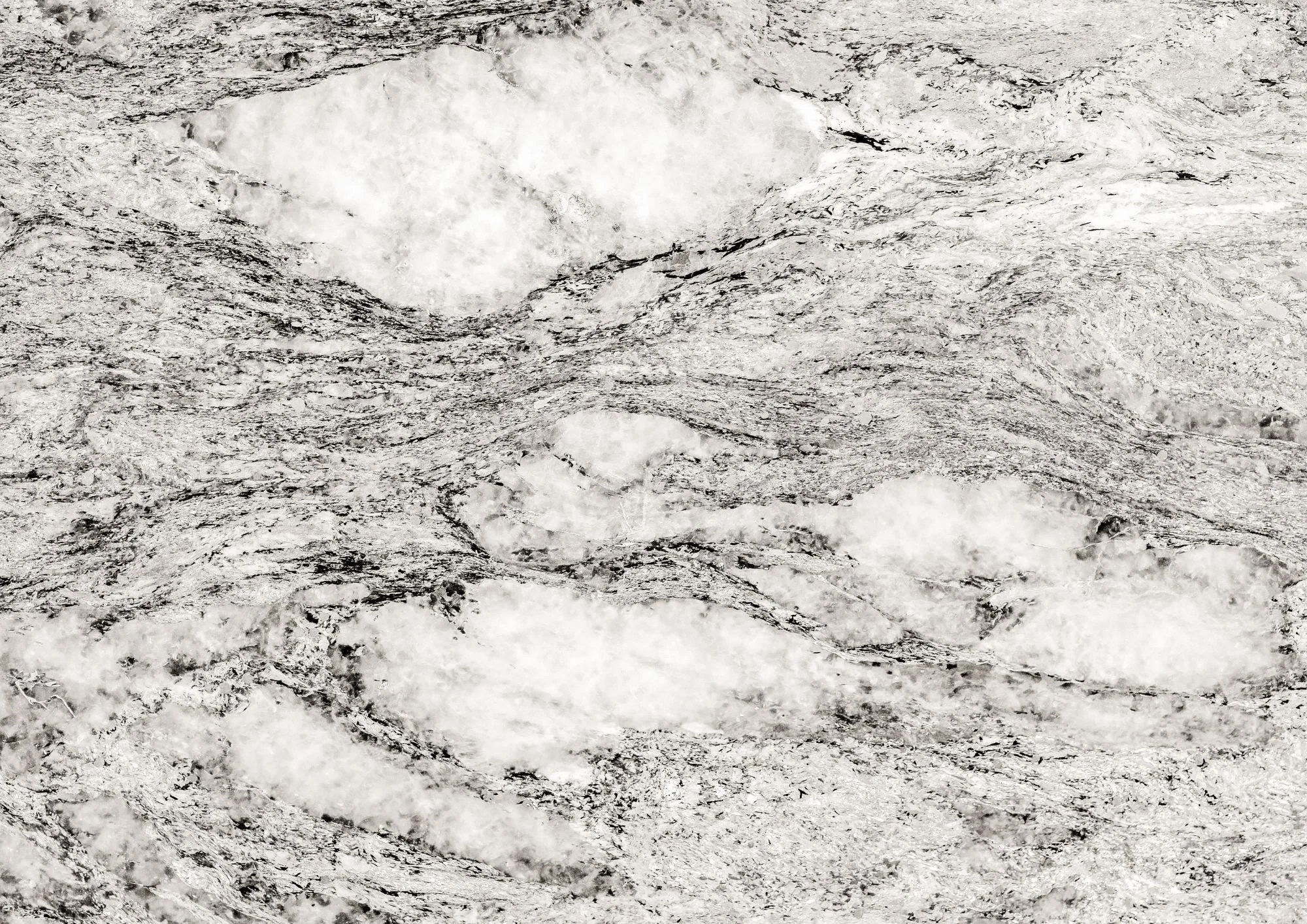
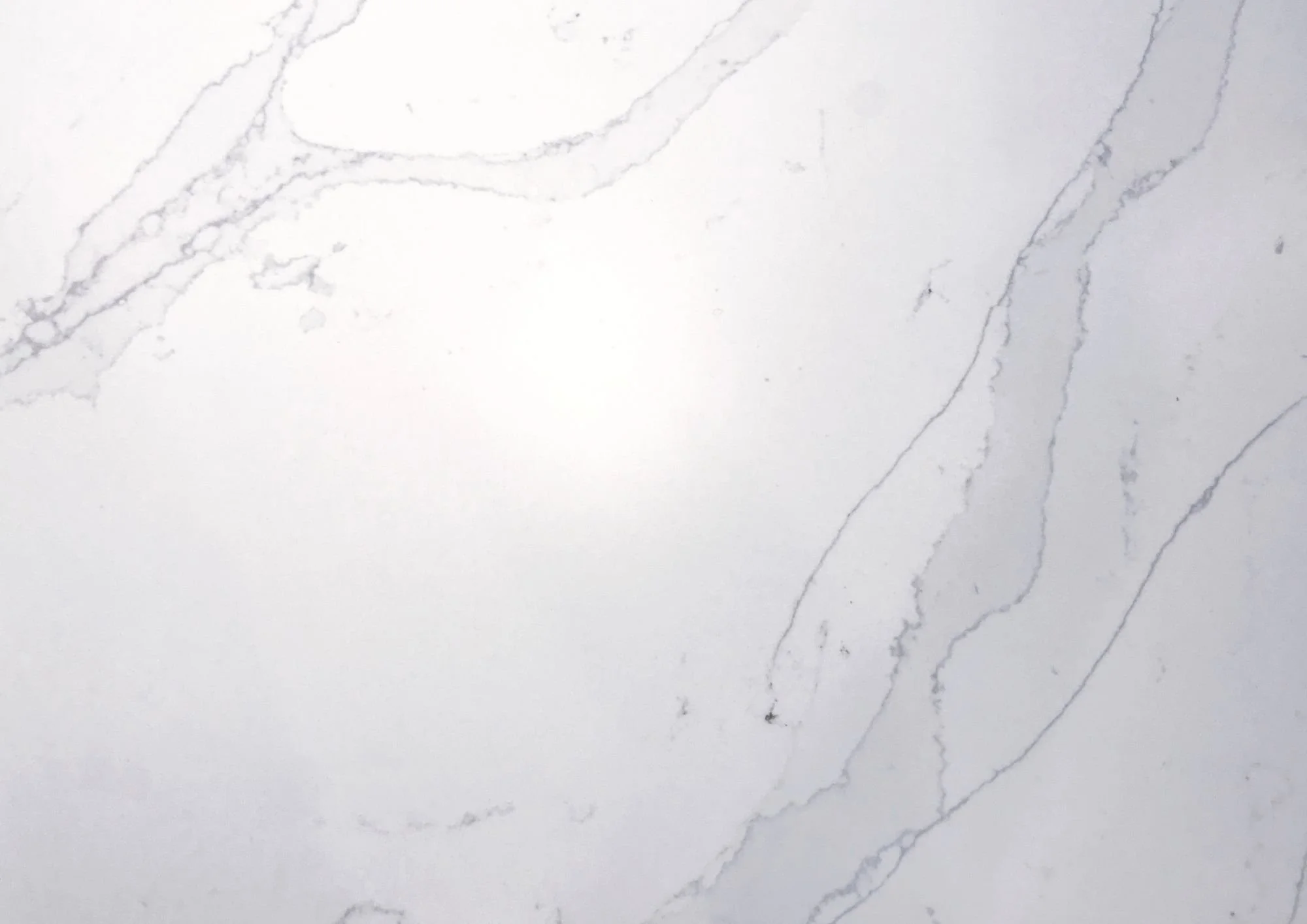
Quartz worktops take a different approach. They are engineered using natural quartz combined with resins and pigments to create a beautifully consistent surface. If granite is nature showing off, quartz is precision engineering at its finest.
The result is a sleek, reliable finish where the sample you choose is almost exactly what appears in your finished kitchen.
Granite vs Quartz, Which Style Works Best?
The right choice often comes down to the overall look you want to achieve in your kitchen.
Granite works particularly well in classic and traditional kitchens, where the natural movement and variation within the stone can create warmth and character. It can also make a striking statement in contemporary spaces where natural materials are the focus.
Quartz is often chosen for sleek, modern kitchens thanks to its cleaner appearance and consistent finish. It is available in a wide range of colours and styles, making it easier to coordinate with cabinetry, splashbacks and flooring.
Durability and Everyday Maintenance
Kitchen worktops need to cope with daily cooking, spills and general wear and tear, so durability is an important consideration.
Quartz worktops are non-porous, meaning liquids cannot easily penetrate the surface. This makes them highly resistant to staining and very easy to clean with minimal maintenance required. Quartz does not usually need sealing, which appeals to busy households looking for a practical solution.
Granite is also extremely durable and offers excellent heat resistance, making it well-suited to busy kitchens. However, because granite is naturally porous, it does require periodic sealing to help protect against stains and moisture. With proper care, granite worktops can remain beautiful for decades.